Safe Shop Practice
Personal protection, hazard awareness, equipment care, material handling, clean work areas, and habits that protect everyone in the shop.
 GG's House Giving GraceLIFE TRANSFORMATION CAMPUS
Join the Mission
GG's House Giving GraceLIFE TRANSFORMATION CAMPUS
Join the Mission
A useful skill can change more than what someone knows how to make or repair. It can reveal ability, build confidence, connect people with mentors, and open a meaningful next step.
Someone may need help in one part of life and still carry talent, knowledge, work ethic, creativity, curiosity, and experience worth sharing.
That truth is already visible at GG's House. People arrive with different needs, but they also arrive with ideas, abilities, and the desire to matter. Some know exactly what they want to do. Others have never had the time, tools, encouragement, or safe place to find out.
A teenager could learn from a retired tradesperson. An adult changing direction could discover an ability that had never been developed. A business owner could explain what dependable work looks like. A parent could learn a practical skill. Someone who first came looking for help could later return as a volunteer, mentor, coworker, or teacher.
The Industrial Arts building brings specialized shops together with classrooms, offices, storage, and shared instructional space. The relationship between those spaces could allow safety, technical learning, professional habits, career exploration, and mentorship to reinforce one another.
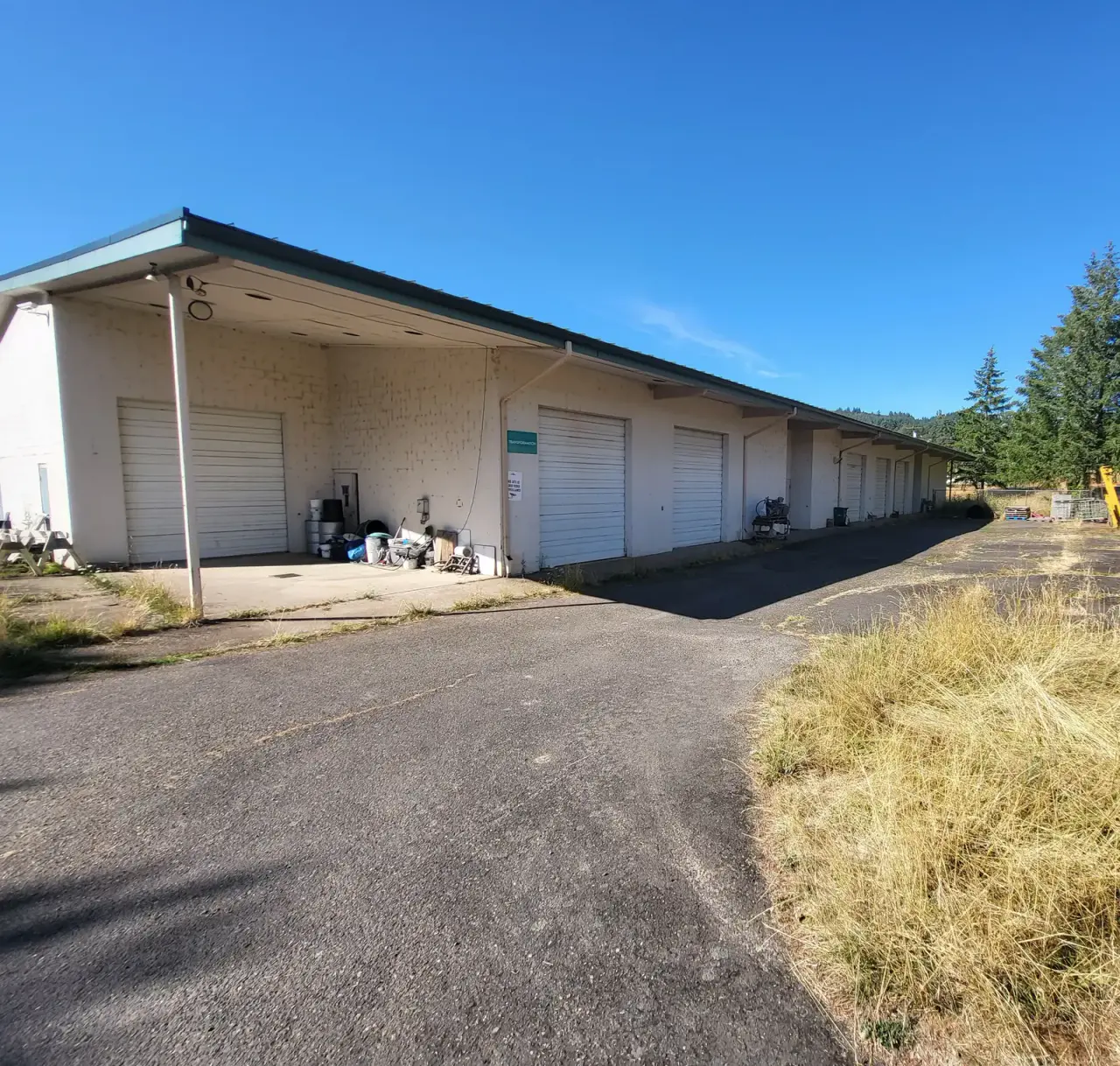
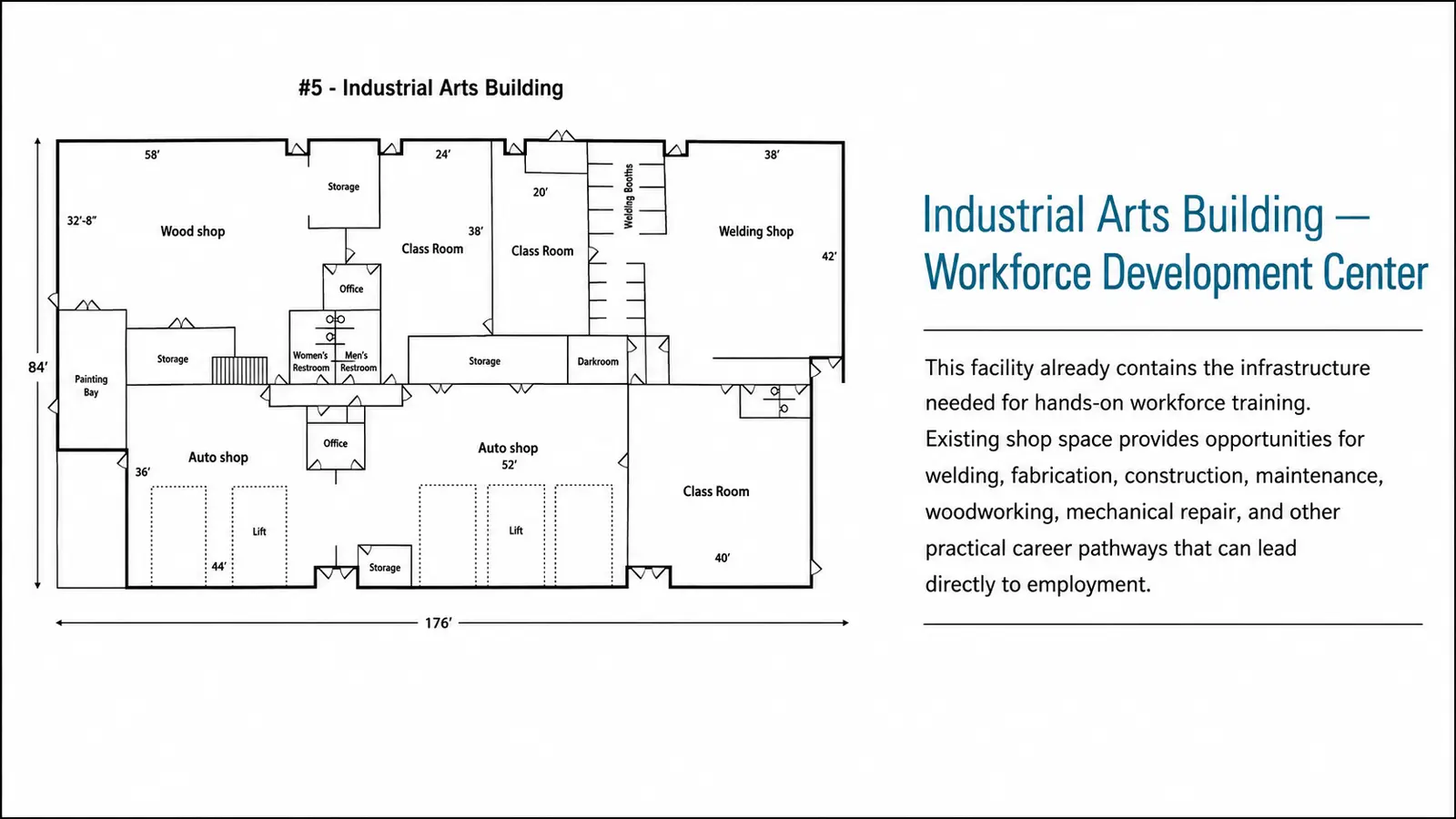
A lesson could begin in a classroom with safety, measurement, planning, or a drawing. It could move into a shop where a learner practices with tools and materials under qualified supervision. It could become a finished project, a record of demonstrated ability, and a conversation about education, service, apprenticeship, employment, or continued learning.
The building contains a dedicated former college welding shop with sixteen booths and ventilation infrastructure. The space is not ready to operate, but its original purpose and layout provide a substantial foundation for professional evaluation and responsible development.
An experienced welder and fabricator with more than twenty years of professional work, building, training, and mentoring is prepared to help guide development of this pathway. Qualified education, testing, apprenticeship, and employer partners would still be needed to shape curriculum and connect learning at GG's House with recognized opportunities beyond it.
Preparation, measurement, safety, planning, and care for the finished result are part of the work from the beginning.
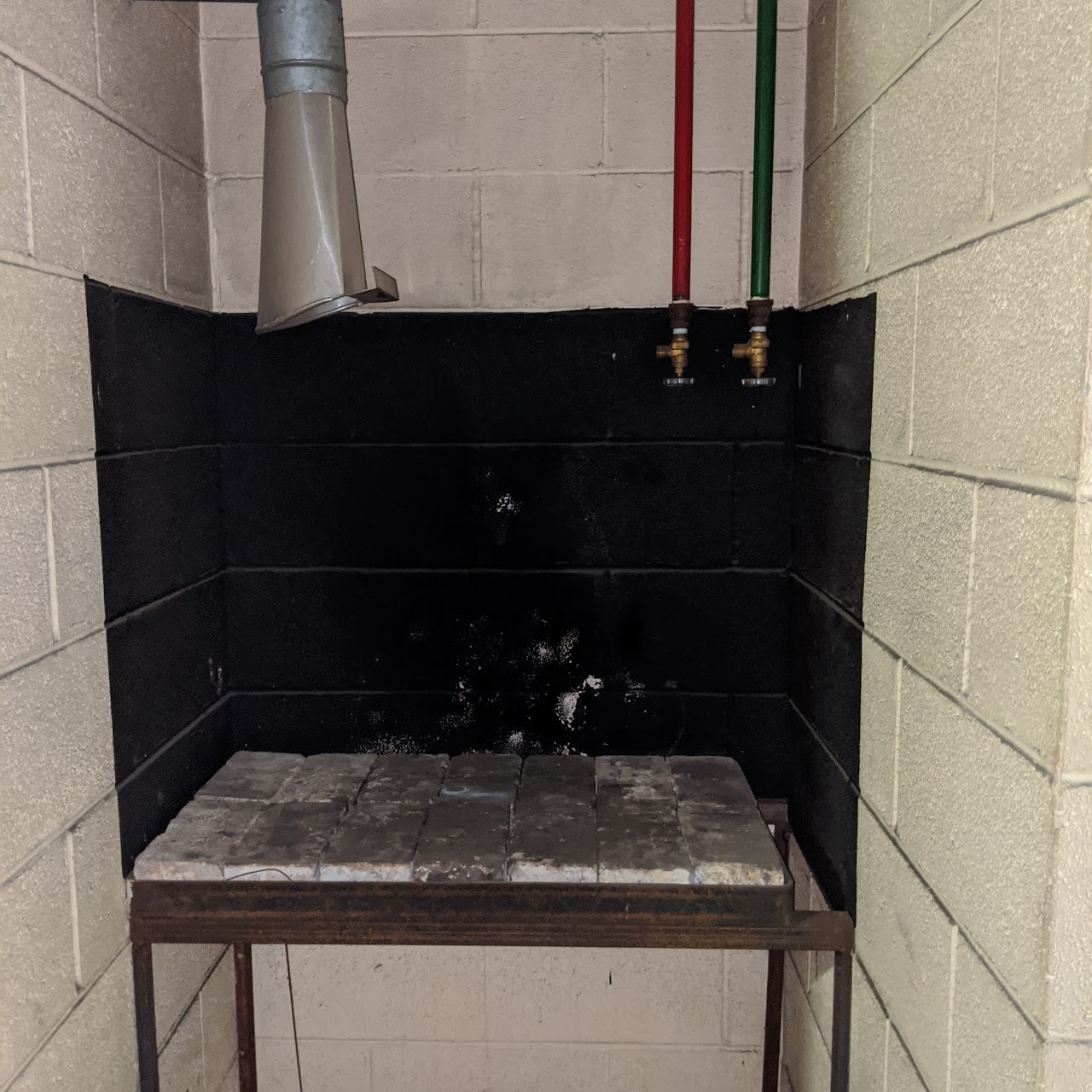
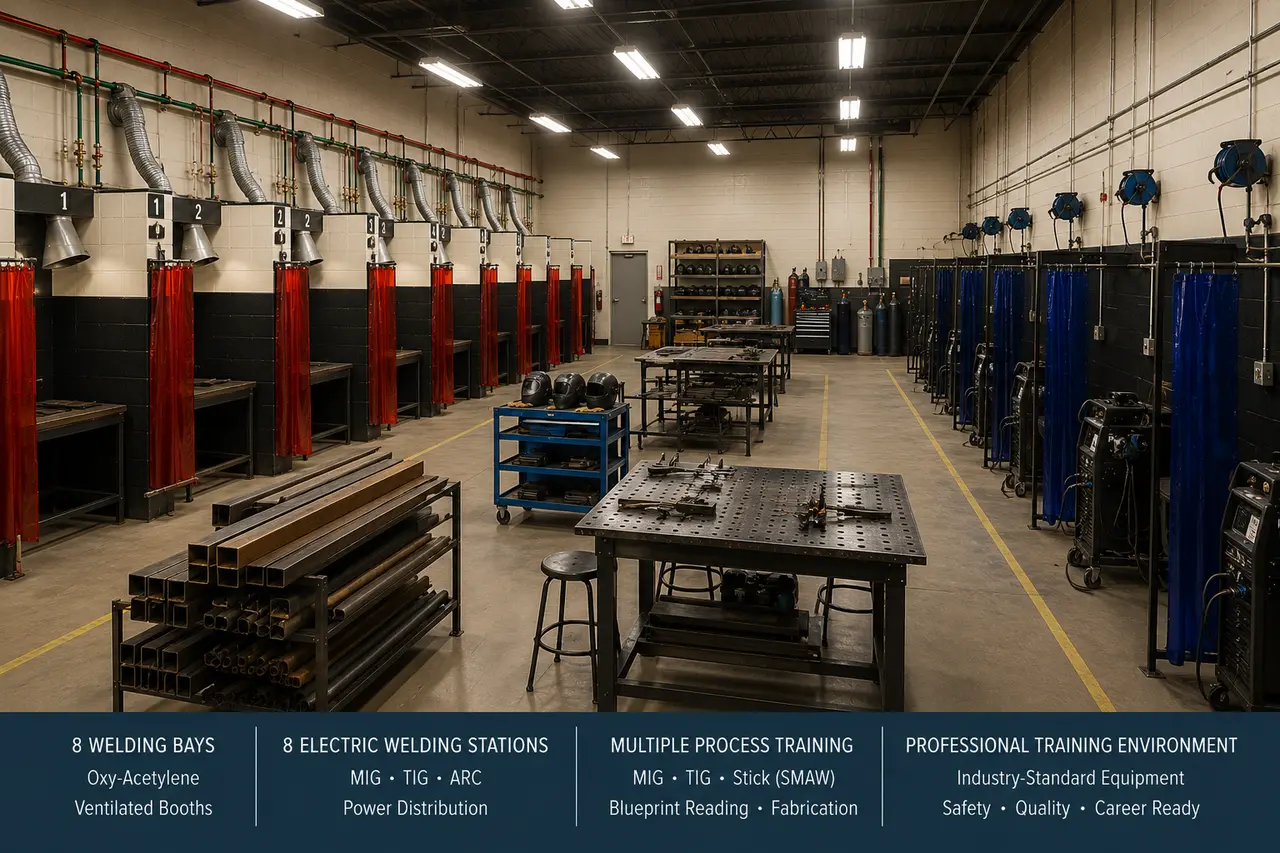
The final curriculum would be developed with qualified leaders and partners. The intended foundation is practical and specific.
Personal protection, hazard awareness, equipment care, material handling, clean work areas, and habits that protect everyone in the shop.
Measurement, shop math, sketches, blueprints, material identification, cut lists, layout, and planning the order of work.
Cutting, grinding, drilling, forming, preparation, fit up, tack welding, assembly, inspection, responsible rework, and finishing.
Showing up, listening, asking useful questions, accepting correction, documenting work, caring for tools, solving problems, and finishing what was started.
Completed projects could show what a learner understands, what needs more practice, and what kind of work may fit them.
Qualified partners could support deeper education, authorized credential testing, apprenticeship applications, job exploration, and conversations with employers.
Honest boundary: GG's House is not operating a welding school, issuing credentials, or guaranteeing employment. Any future welding pathway would depend on acquisition, professional inspection, restoration, funding, qualified leadership, partners, approvals, insurance, and appropriate safeguards.
The approximately five bay automotive shop expands what the Industrial Arts Center could offer. Automotive learning is not only about replacing parts. Good work begins with observation, safe procedures, careful inspection, useful questions, accurate information, and respect for the person who depends on the vehicle.
The transportation field offers many directions to explore. Maintenance, repair, parts, service advising, fleet operations, collision work, refinishing, equipment service, and further technical education require different strengths.
The connected layout could support demonstrations, supervised practice, team assignments, documentation, safety instruction, and career exploration.
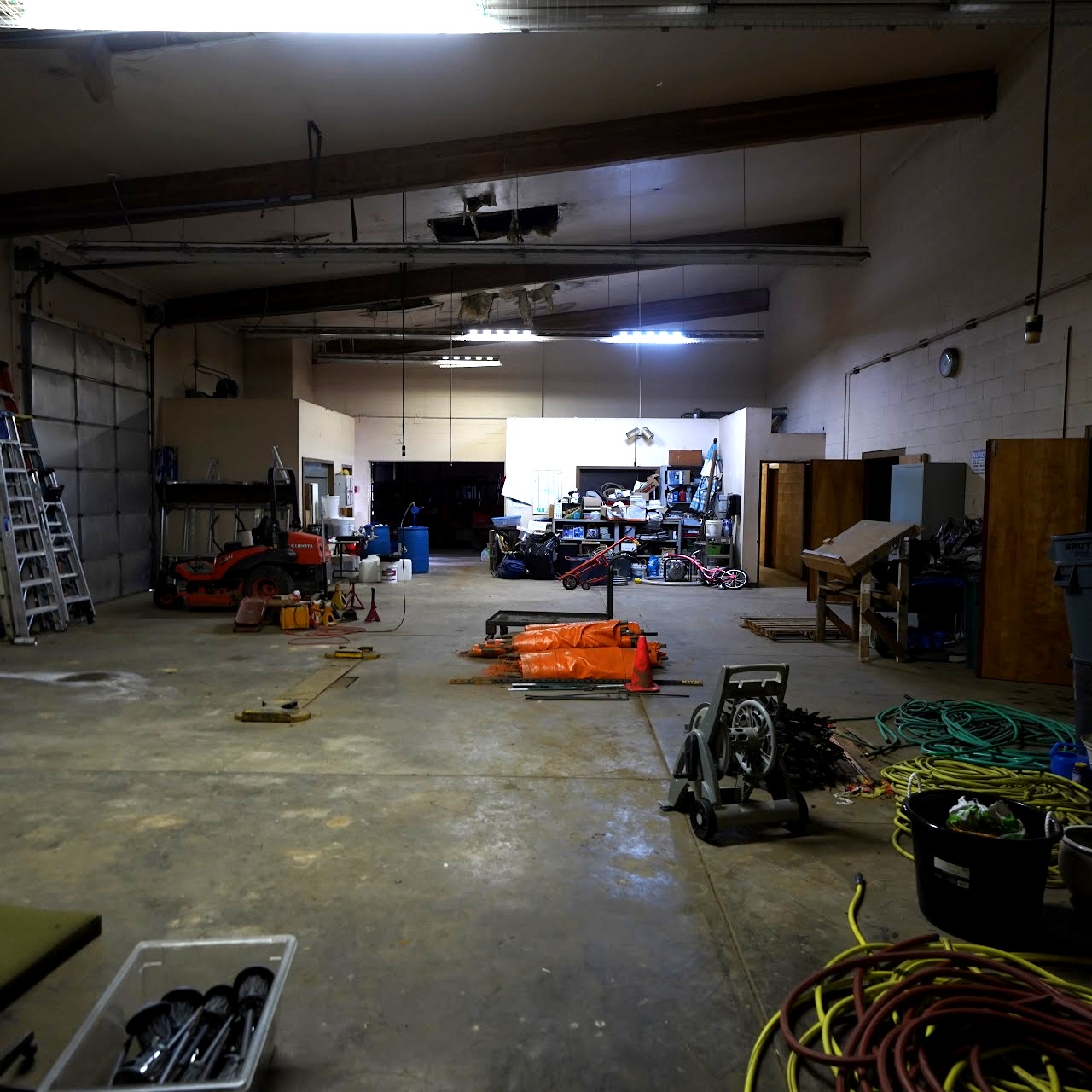
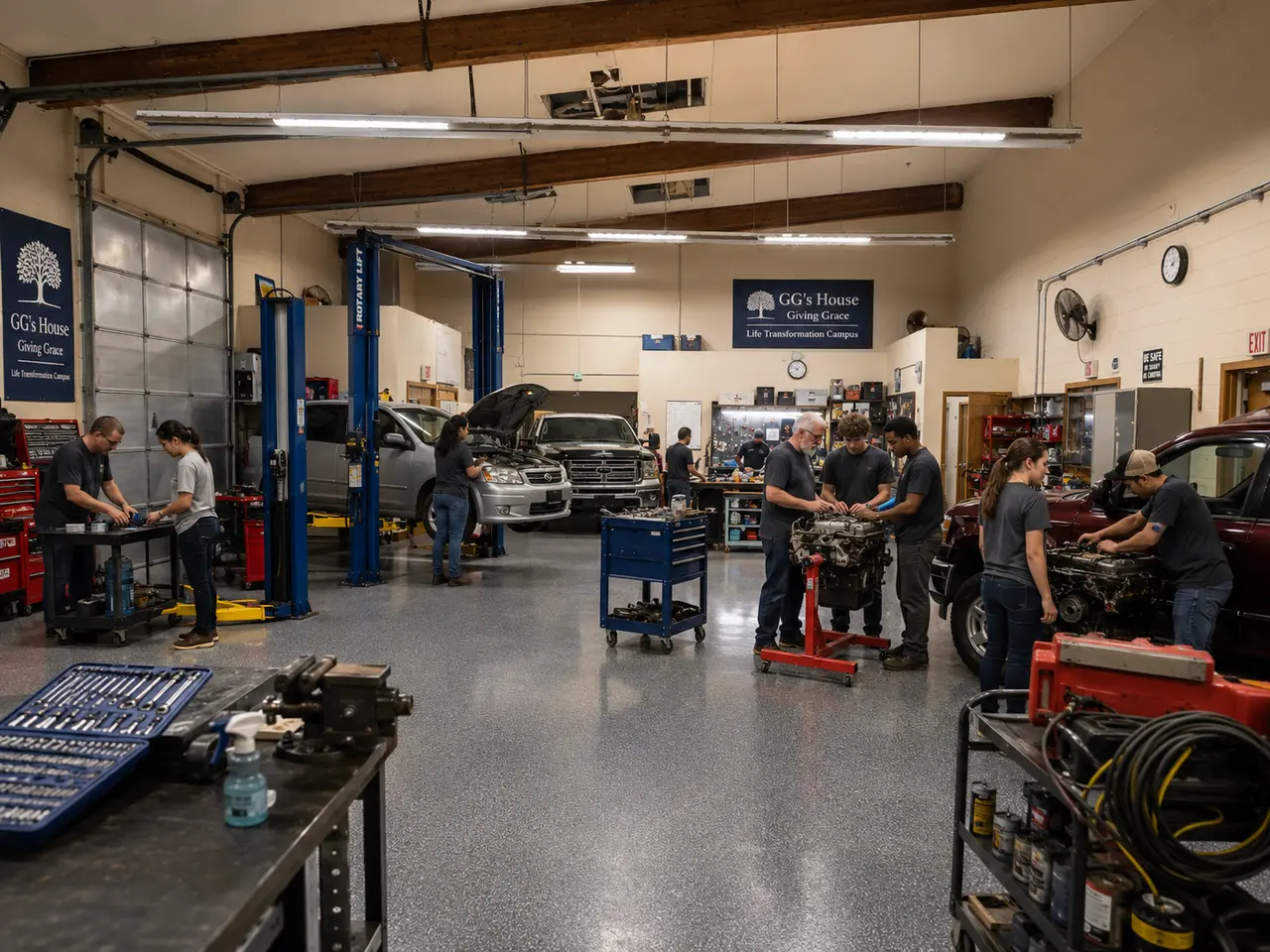
The pathway could pair technical learning with the professional conduct that families, customers, coworkers, and employers depend on.
Begin with safe work areas, vehicle awareness, tools, fluids, tires, brakes, steering, suspension, basic electrical systems, and careful visual inspection.
Ask useful questions, follow a process, test assumptions, use service information, and document what the evidence supports.
Use correct procedures, protect components, organize parts, follow specifications, verify work, maintain tools, and prepare the area for the next person.
Write clear notes, explain findings honestly, coordinate with a team, ask for help when needed, and understand why trust matters.
Welding could support brackets, exhaust, and fabrication. Woodworking could support storage, work surfaces, and shop organization.
Experienced technicians, shops, dealerships, fleets, suppliers, and schools could eventually advise, demonstrate, mentor, host tours, and help define credible next steps.
Honest boundary: The automotive shop is a physical opportunity within a property GG's House has not acquired. Building systems, lifts, tools, environmental controls, painting and refinishing areas, insurance, instructors, curriculum, and safety requirements would need professional evaluation before any use.
The dedicated former college wood shop could support future learning in woodworking, carpentry, cabinetry, repair, and property maintenance. A project might begin with a drawing, measurements, a material choice, and a cut list. It could then move through tool setup, safe material handling, assembly, fitting, sanding, finishing, and final inspection.
The work rewards patience. A measurement cannot be close enough simply because the next step has already begun. A piece that does not fit requires the learner to stop, understand why, and decide what to do next.
Some participants may discover an interest in construction, cabinetry, facilities work, continued education, apprenticeship, or another skilled field. Others may learn to make a repair, build a useful object, care for tools, or contribute to a community project.
Honest boundary: Any future woodworking pathway would require acquisition, professional inspection, restoration planning, appropriate equipment, dust control, qualified instruction, insurance, and approved operating safeguards.
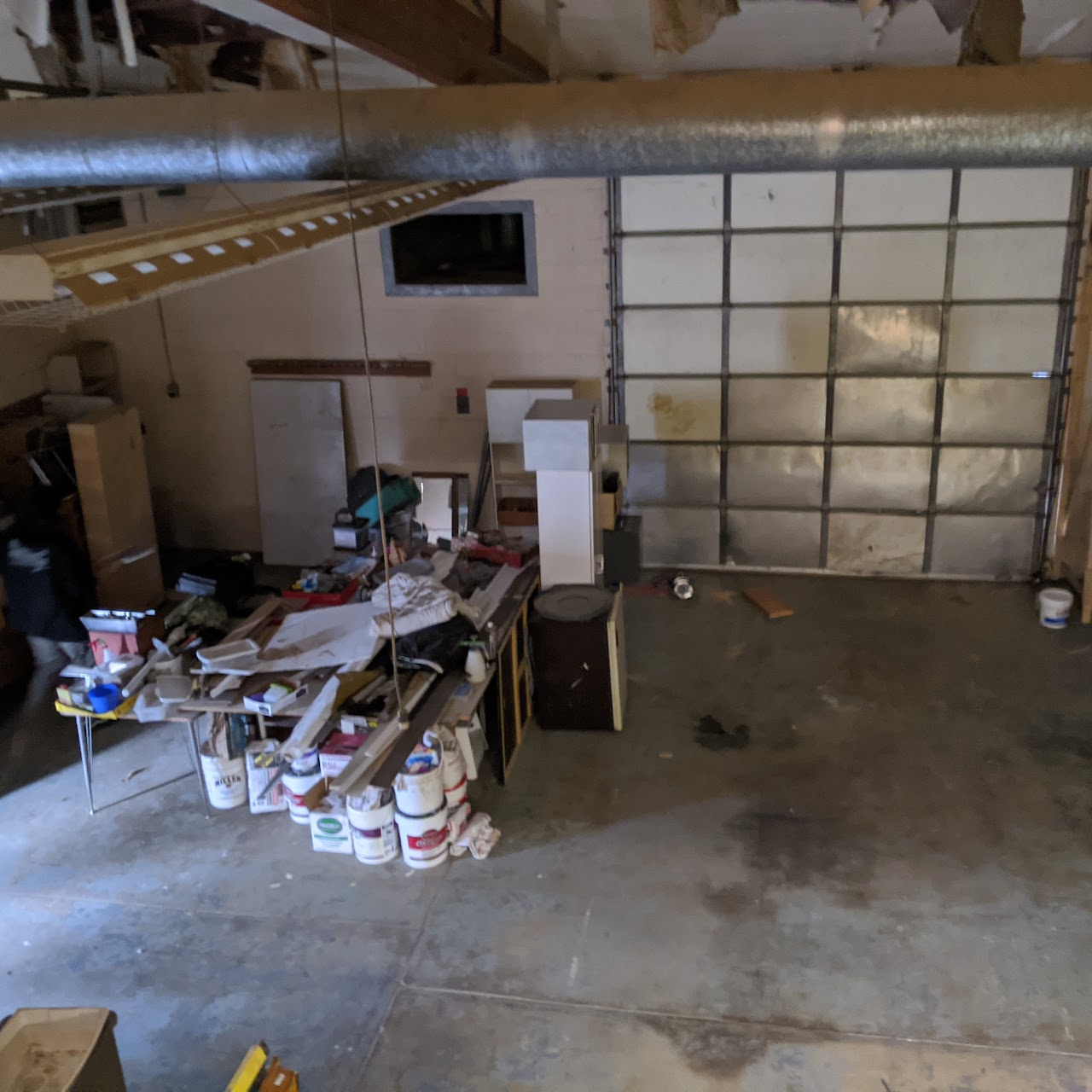
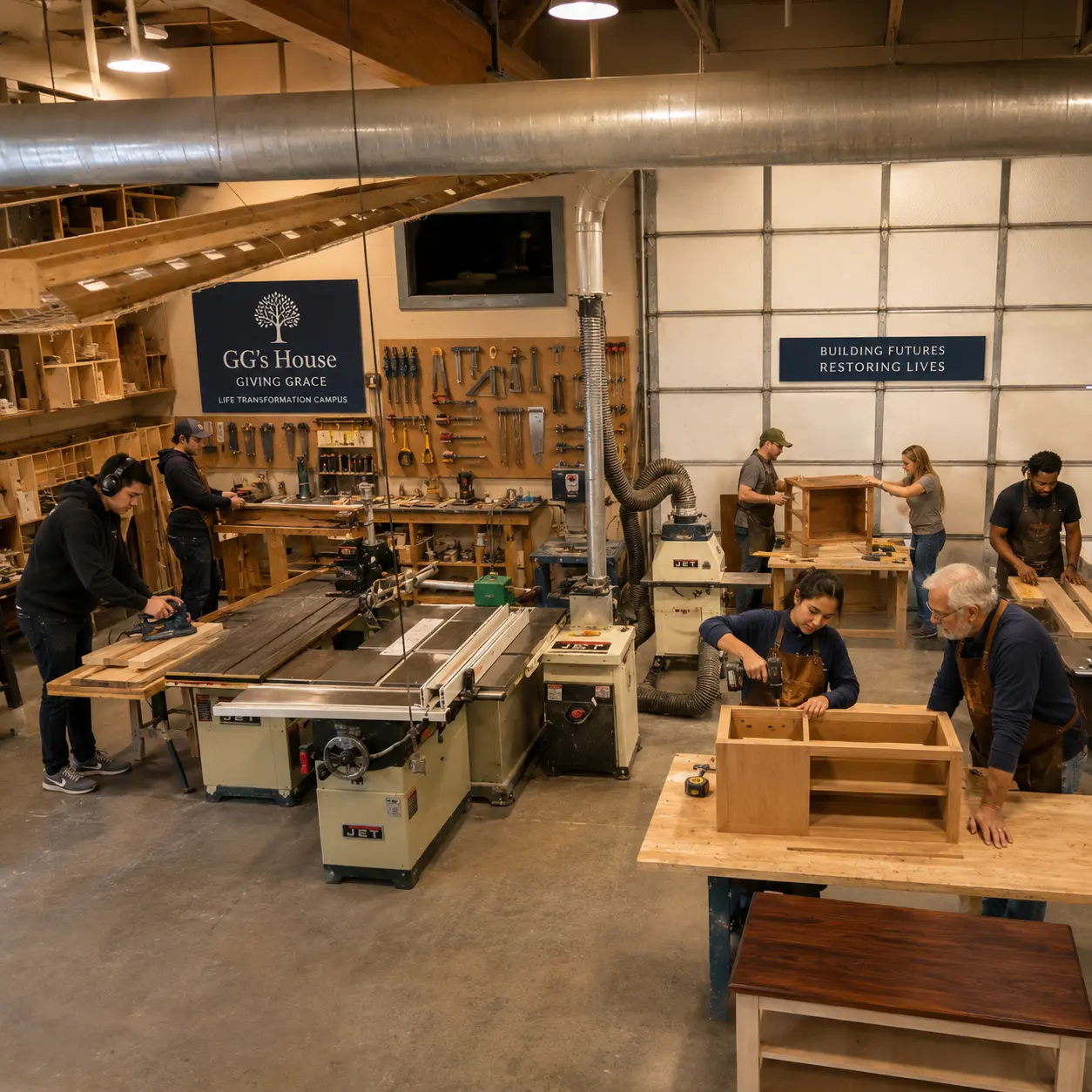
A project may require a drawing, a material list, a welded frame, wood components, automotive knowledge, finishing, safe installation, documentation, and a final quality review.
One person may lead the planning. Another may fabricate. Another may solve a problem no one noticed at first. Shared work teaches communication, sequence, and respect for another person's contribution.
Future campus projects may offer useful examples, but participation would occur only when the work is lawful, properly supervised, insured, safe, and appropriate for the learner.
A mentor can explain why a step matters, recognize when someone is ready for more, and share lessons that a manual cannot.
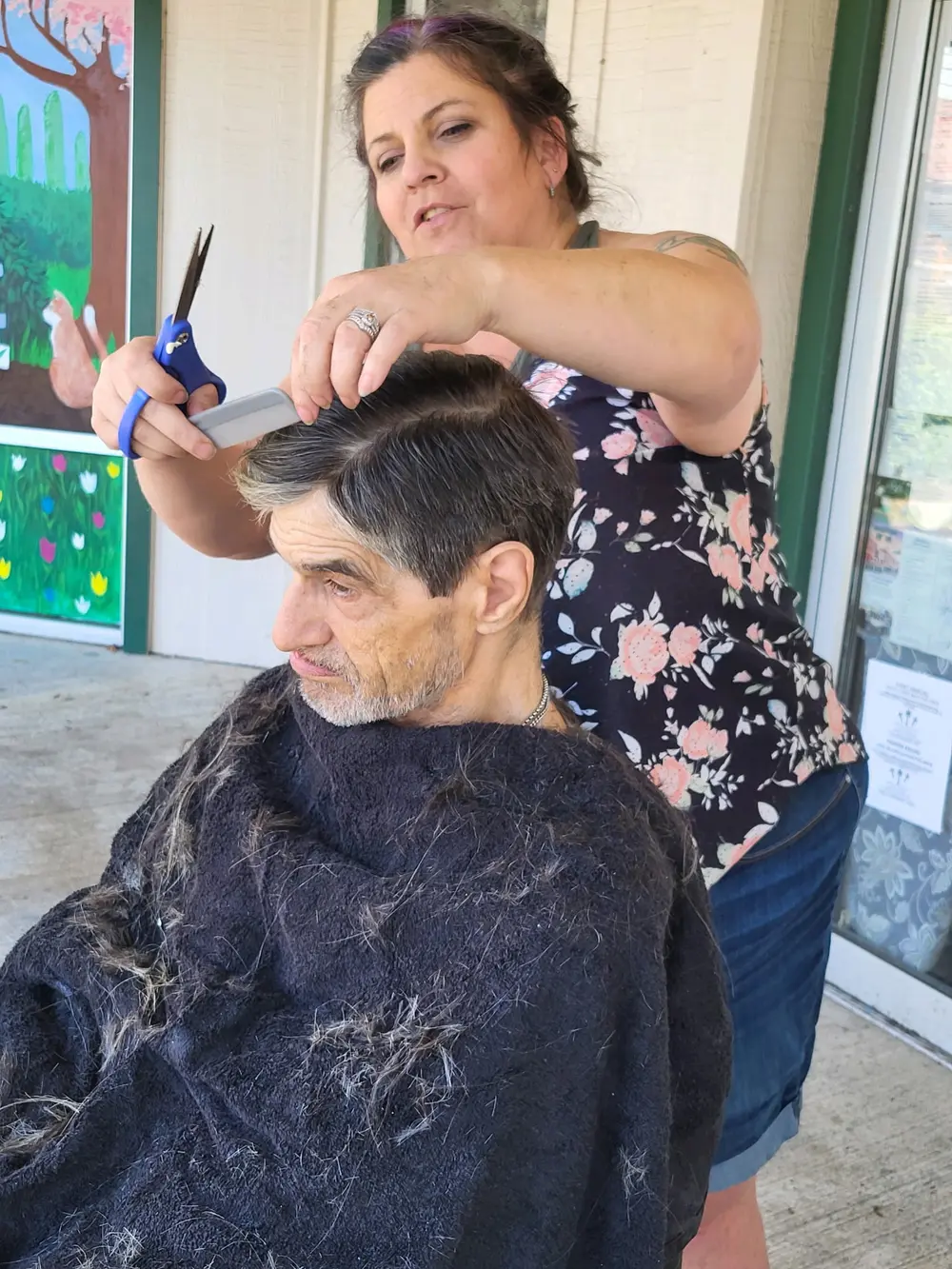
A retired tradesperson may pass on knowledge built over decades. A younger participant may bring curiosity, energy, and a new way of seeing a problem.
A business can explain current expectations. An educator can connect shop experience with deeper study. A mentor can guide a supervised project or an honest career conversation.
Businesses and skilled volunteers could help through mentorship, demonstrations, tours, materials, equipment guidance, project sponsorship, and introductions to further opportunities.
What would you like to try?
From there, a person could explore a shop, meet a mentor, learn the basic safety and language of the work, and practice a useful skill. A project could provide a clear goal. Feedback could show what is going well and what needs more attention. Completed work could help document ability and clarify the next step.
That next step may be more practice, continued education, volunteer service, an apprenticeship application through a qualified partner, an employment conversation, a different trade, or the chance to teach someone else.
Not every participant would begin in the same place or pursue the same result. The measure of a useful Pathway is whether it helps someone understand their abilities, strengthen practical and professional skills, build trusted relationships, and choose a realistic direction forward.
Someone may carry forward a practical skill. A safer way to work. A completed project. A stronger professional habit. A clearer education or career choice. A trusted relationship. Greater confidence in solving a problem. A place to contribute.
Someone may first come to learn. One day, that same person may return to help someone else begin.
GG's House already believes that people deserve dignity, useful opportunities, trusted relationships, and a meaningful place in the community. Pathways would extend that belief into practical learning as facilities, funding, qualified people, and partnerships become available.
The future campus could provide the space for that vision to grow. The Industrial Arts building could bring learners, mentors, businesses, educators, volunteers, and families together around work that is useful and progress that can be seen.
The current capital priority is acquiring and responsibly restoring the proposed campus. Donors can help secure the foundation. Employers and educators can help connect learning with real expectations. Tradespeople and retirees can share knowledge. Suppliers and companies can help with appropriate materials, equipment, and professional guidance after needs are confirmed. Volunteers can offer time, encouragement, organization, and practical support.
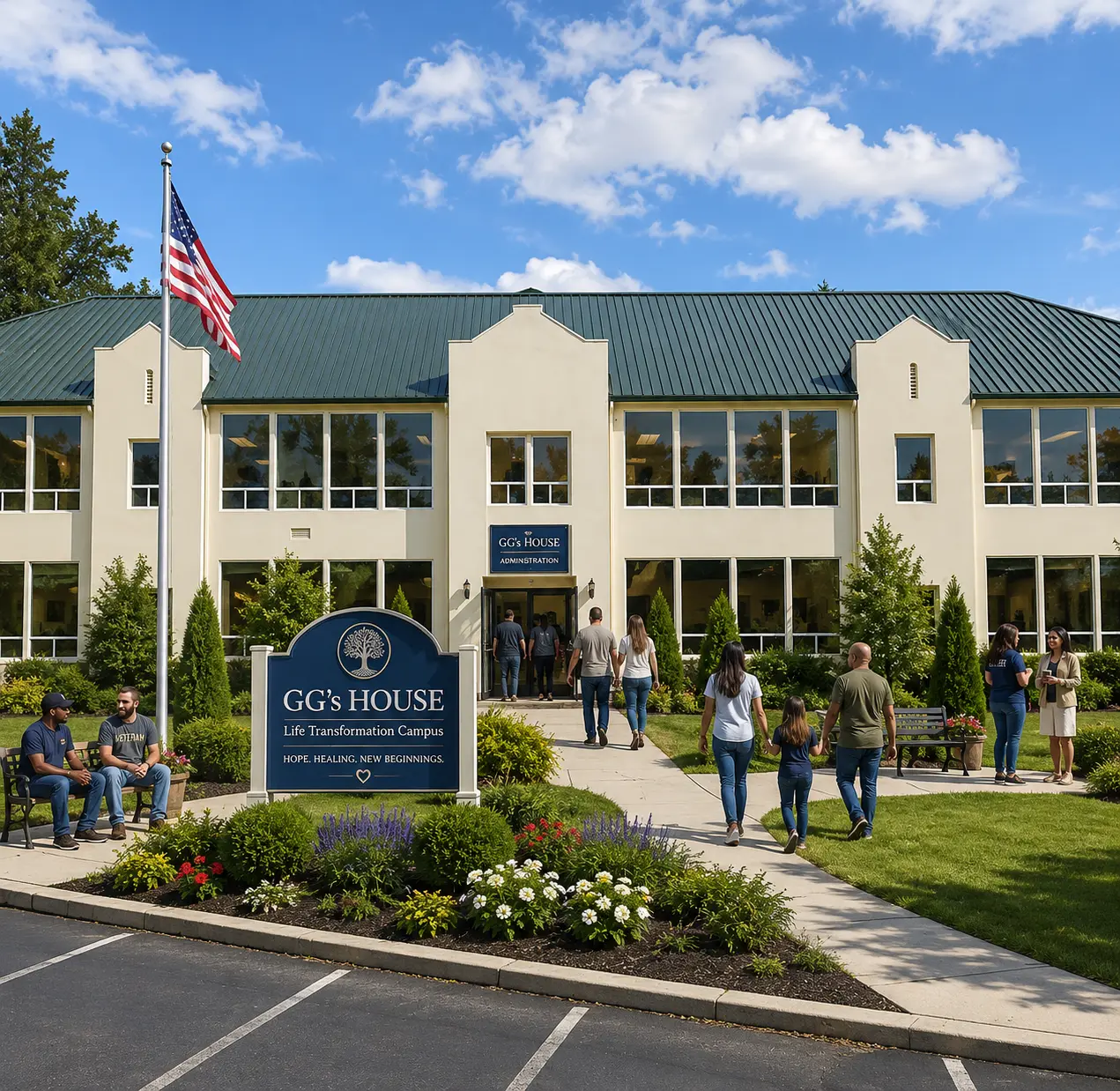
Whether you have an hour, a skill, a trade, or simply a willingness to help, tell us a little about yourself.